
Complete Fleet Management & Smart Mobility Platform
GPS tracking, AI-powered route optimization, driver monitoring, predictive maintenance, and real-time mobility analytics — enterprise fleet management that reduces fuel costs by 25%, improves delivery efficiency by 40%, and transforms your fleet into a connected mobility ecosystem.
What Is a Fleet Management & Mobility Platform?
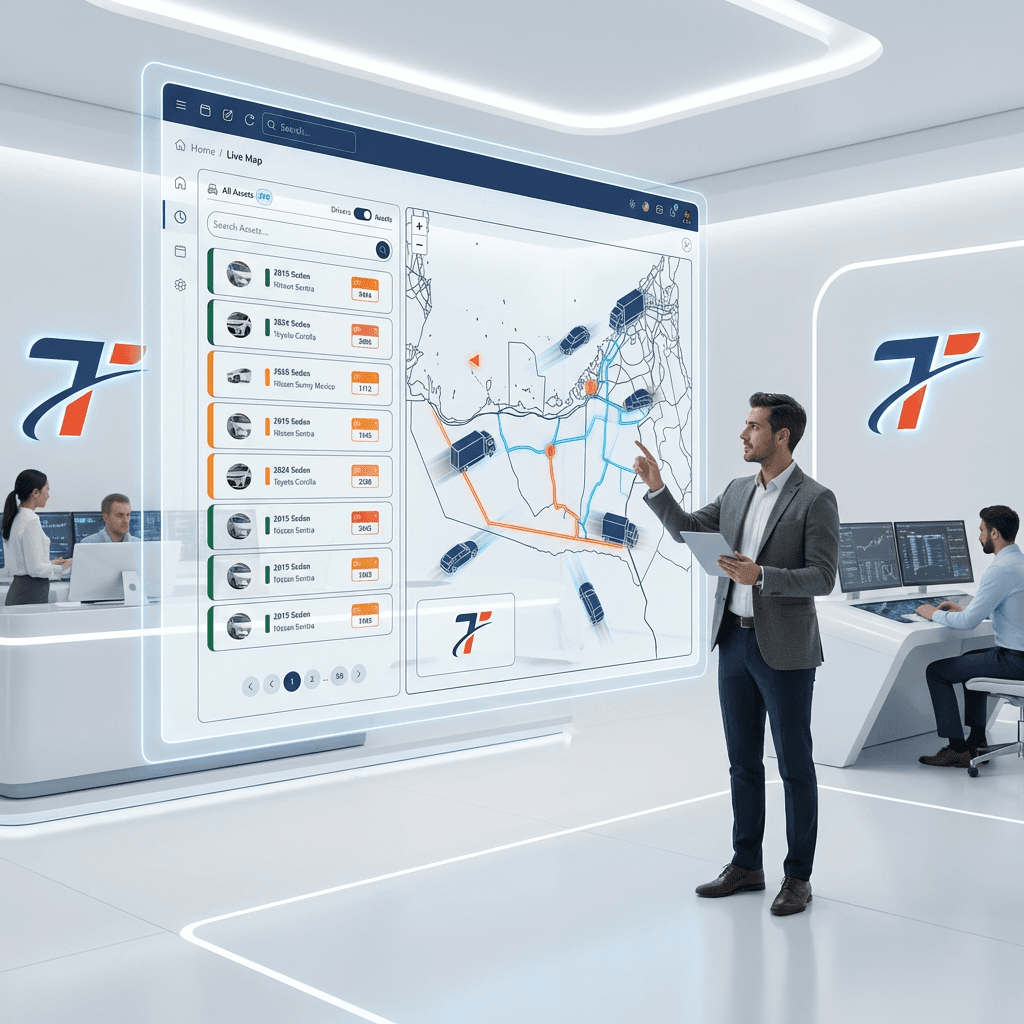
A fleet management system is a comprehensive smart mobility platform that helps organizations manage their vehicle fleets through GPS tracking, route optimization, driver monitoring, fuel management, and maintenance scheduling. Modern fleet mobility solutions provide real-time visibility into every aspect of operations — from vehicle location and speed to driver behavior, fuel consumption, and carbon emissions tracking.
At Trasealla, we build connected mobility platforms powered by AI and machine learning that go beyond basic tracking — offering predictive maintenance, intelligent route optimization, geofencing alerts, automated compliance reporting, and sustainable mobility analytics for logistics, delivery, and transportation companies worldwide.
Whether you manage 10 delivery vans or 1,000+ trucks across borders, our urban mobility solution scales with your operations — integrating seamlessly with car rental systems, delivery management platforms, ERP systems, and e-commerce fulfillment tools. Our mobility-as-a-service (MaaS) approach ensures every vehicle, driver, and route contributes to your operational excellence.
Everything You Need to Manage Your Fleet
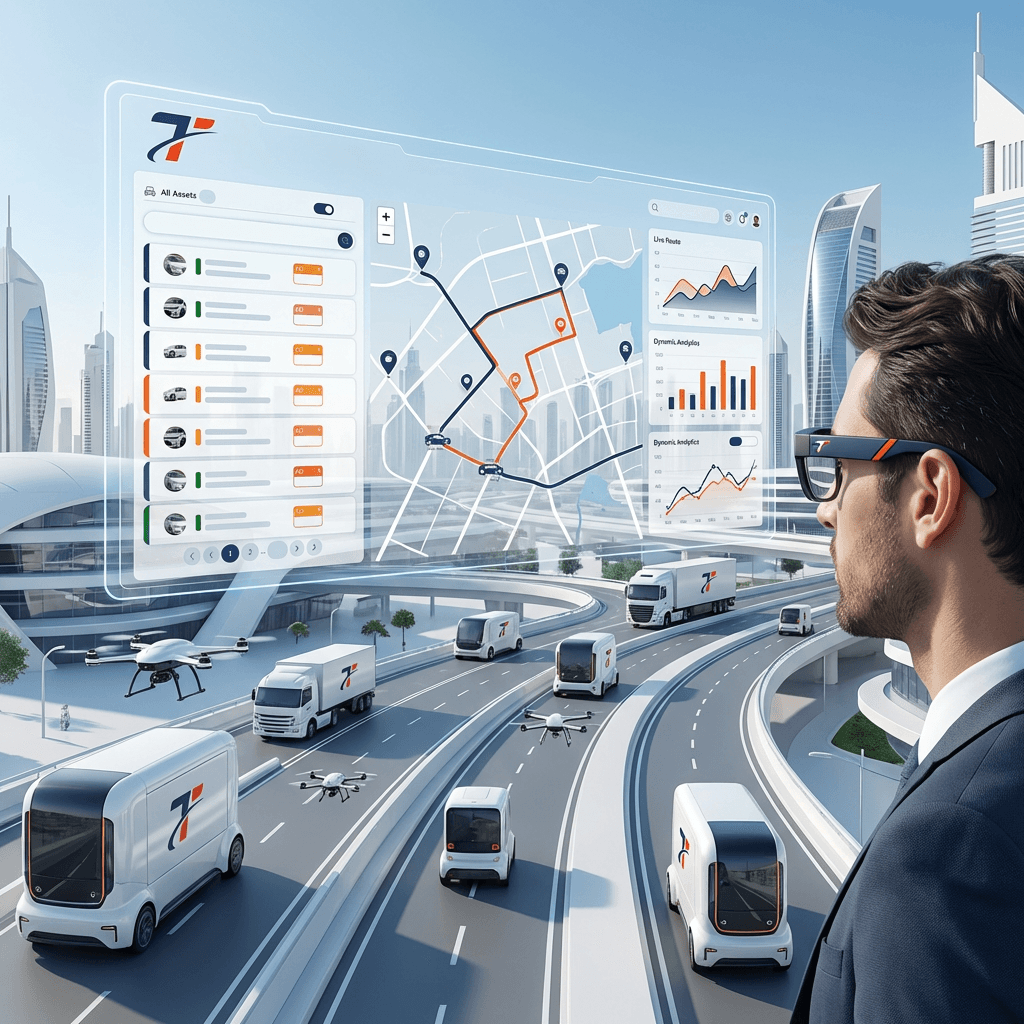
From live GPS tracking to predictive maintenance and smart mobility analytics — features built for operational excellence, cost reduction, and sustainable transportation.
Real-Time GPS Tracking
Live vehicle location, speed, and status on an interactive mobility map. Track every vehicle with second-by-second accuracy, set geofences, and get instant alerts for unauthorized movement or route deviations.
AI Route Optimization
Machine learning algorithms calculate optimal routes considering real-time traffic, distance, delivery windows, and vehicle capacity — reducing fuel by 25%, increasing daily deliveries by 40%, and minimizing carbon footprint.
Driver Behavior Monitoring
Track harsh braking, speeding, rapid acceleration, and idle time. AI-powered driver scoring and coaching reduces accidents by 30%, improves fleet safety scores, and supports mobility compliance standards.
Fuel & Energy Management
Monitor fuel consumption in real-time, detect fuel theft, identify inefficient patterns, track EV charging status, and get actionable recommendations to cut energy costs by 15-25% across your entire mobility fleet.
Predictive Maintenance
AI predicts maintenance needs before breakdowns occur. Automated scheduling, service reminders, parts inventory tracking, and full vehicle health history for maximum fleet uptime and mobility reliability.
Fleet Analytics & Mobility Insights
Comprehensive analytics on fleet utilization, cost per km, driver performance, route efficiency, carbon emissions, and operational KPIs. Data-driven mobility intelligence for smarter decision making.
Smart Mobility Ecosystem
Go beyond fleet tracking. Our connected mobility platform integrates IoT, telematics, and AI to create an intelligent transportation ecosystem that adapts to your operations in real time.
IoT & Telematics
OBD-II and IoT sensor integration for engine diagnostics, tire pressure, temperature monitoring, and real-time vehicle health data streaming.
AI-Powered Dispatch
Intelligent auto-dispatch assigns the nearest available vehicle, considers traffic patterns, driver hours, and delivery priorities for optimal resource allocation.
Sustainable Mobility
Carbon footprint tracking, eco-driving scores, EV fleet management, hybrid route planning, and sustainability reporting for ESG compliance.
Mobile Workforce App
Turn-by-turn navigation, e-signatures, photo proof of delivery, real-time chat, offline mode, and digital work orders for drivers and field teams.
Multimodal Transport
Manage mixed fleets — trucks, vans, bikes, EVs, and drones — from a single platform. Cross-modal route planning and unified mobility analytics.
Compliance & Safety
Automated HOS logging, DVIR inspections, regulatory compliance tracking, insurance reporting, and driver certification management across all jurisdictions.
Built for Real Fleet Operations & Mobility Excellence
Our fleet mobility platform is built by a team that understands logistics, delivery, and transportation — not just software. We integrate with car rental systems and power our solutions with AI technology for maximum operational and mobility impact.
Live Mobility Dashboard
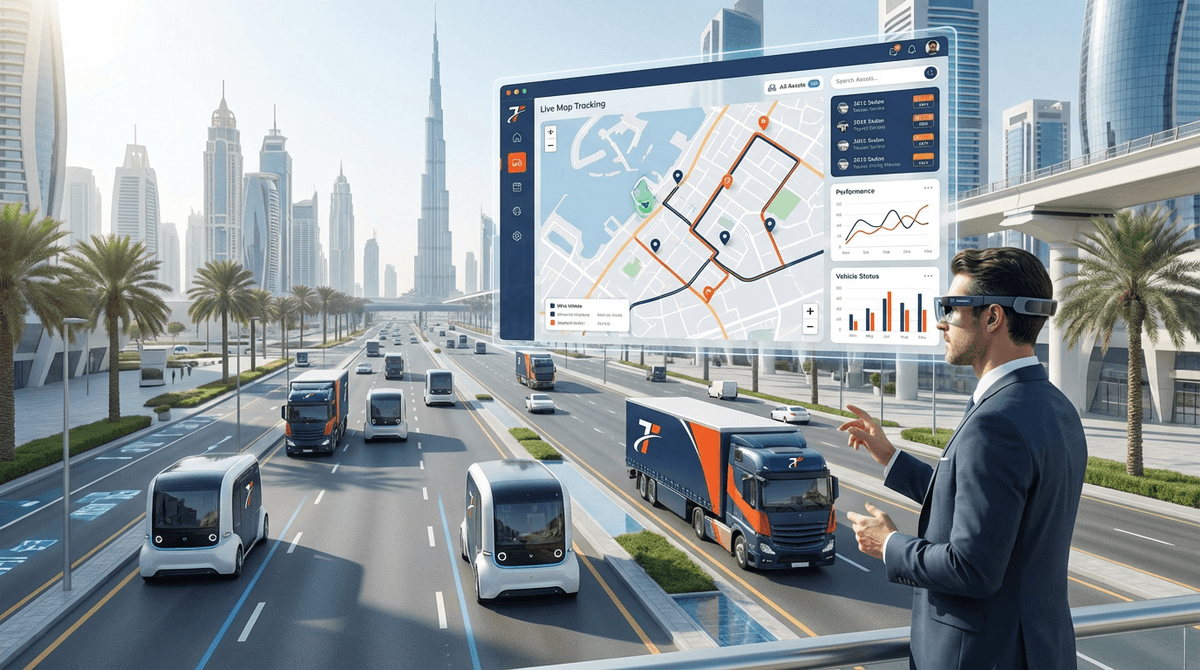
Interactive map with real-time vehicle positions, geofencing alerts, route replay, traffic overlays, and cluster views for 1000+ vehicles.
Driver Mobility App
Turn-by-turn navigation, delivery confirmations, photo capture, proof of delivery, digital signatures, and offline support for drivers.
Open API & Integrations
REST APIs and webhooks for ERP, CRM, e-commerce, warehouse management, TMS, and third-party mobility and logistics platforms.
Global Mobility Support
Localized maps, multi-currency, regional compliance, cross-border tracking, and 24/7 global fleet monitoring across all time zones.
From Setup to Mobility Excellence. 4 Steps.
Get your fleet optimized in days, not months. Here's how every deployment unfolds:
Fleet Audit & Setup
We analyze your fleet size, routes, vehicle types, and operational workflows — then configure the mobility platform with GPS devices, IoT sensors, geofences, and driver accounts.
Integration & Training
Connect to your ERP, dispatch, TMS, and delivery systems. Train dispatchers, fleet managers, and drivers on the mobile app, dashboard, and mobility tools.
Deploy & Optimize
Go live with real-time tracking and smart mobility features. AI begins learning your routes, traffic patterns, and driver behaviors — optimizing continuously for peak efficiency.
Scale & Report
Weekly KPI reviews, fuel savings reports, driver scorecards, sustainability metrics, and fleet utilization analytics. Scale from 10 vehicles to thousands as your business grows.
Fuel Cost Reduction
Delivery Efficiency
Accident Rate
Fleet Uptime
Vehicles Tracked
Connected Monitoring
Every Vehicle. Every Route. One Mobility Dashboard.
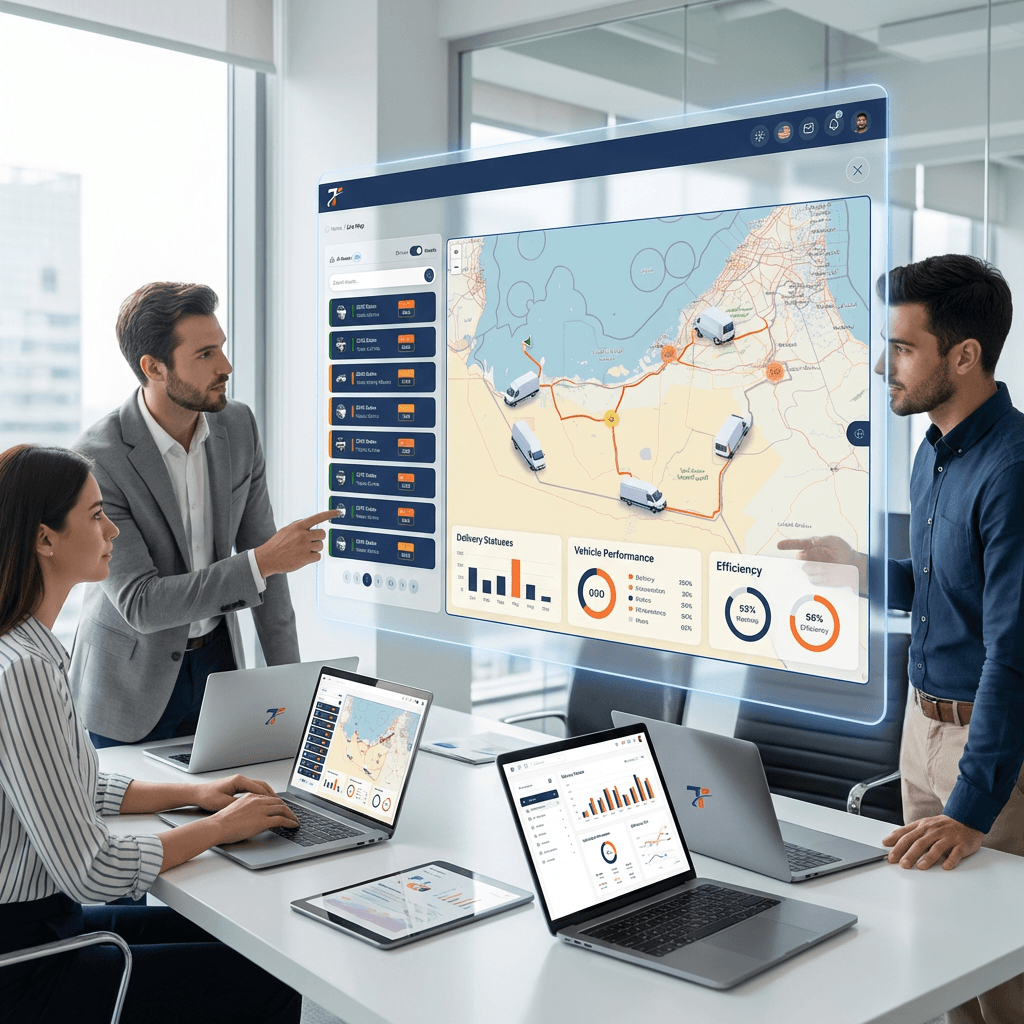
Monitor fleet health, driver performance, fuel consumption, maintenance schedules, carbon emissions, and delivery status — all in real time from a single connected mobility control center.
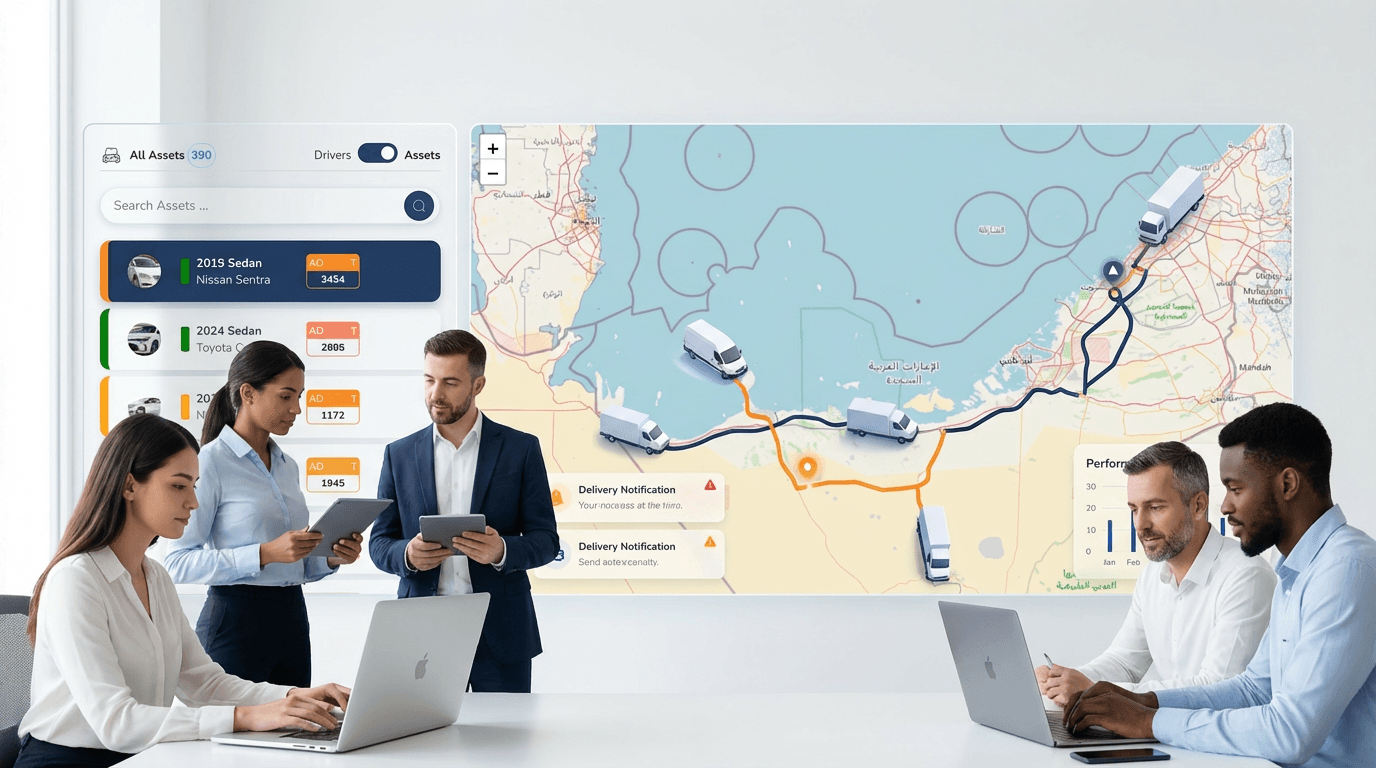
See the Mobility Platform in Action
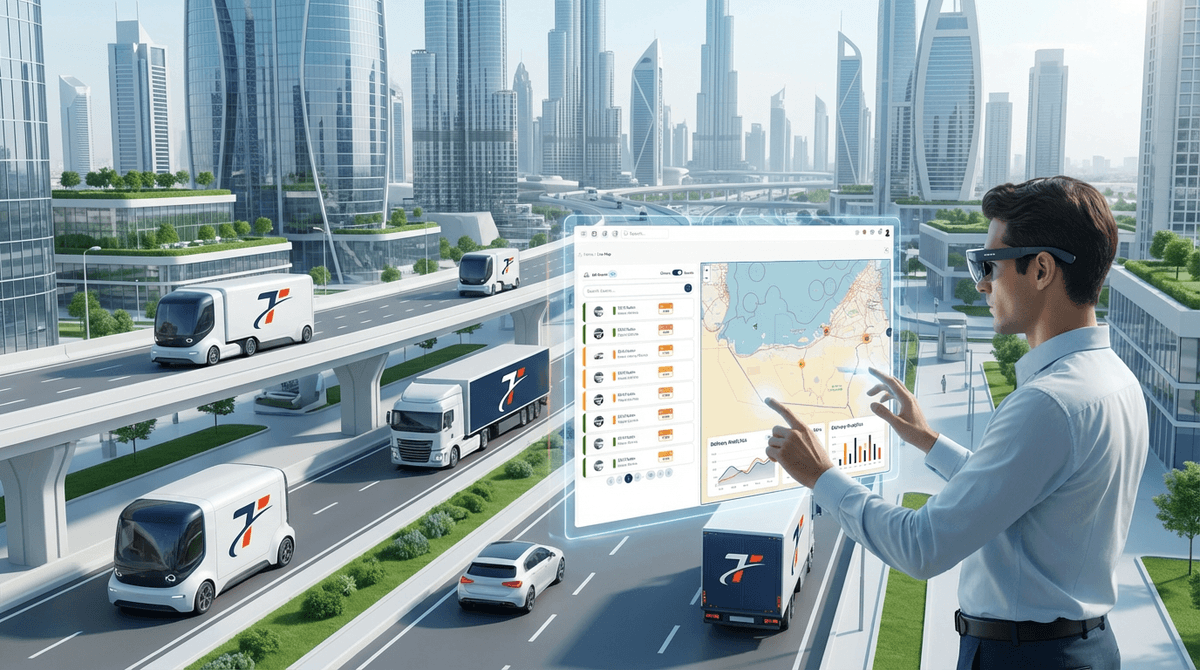
Real screenshots from our fleet management and smart mobility platform — every view designed for operational clarity and fast decision making.
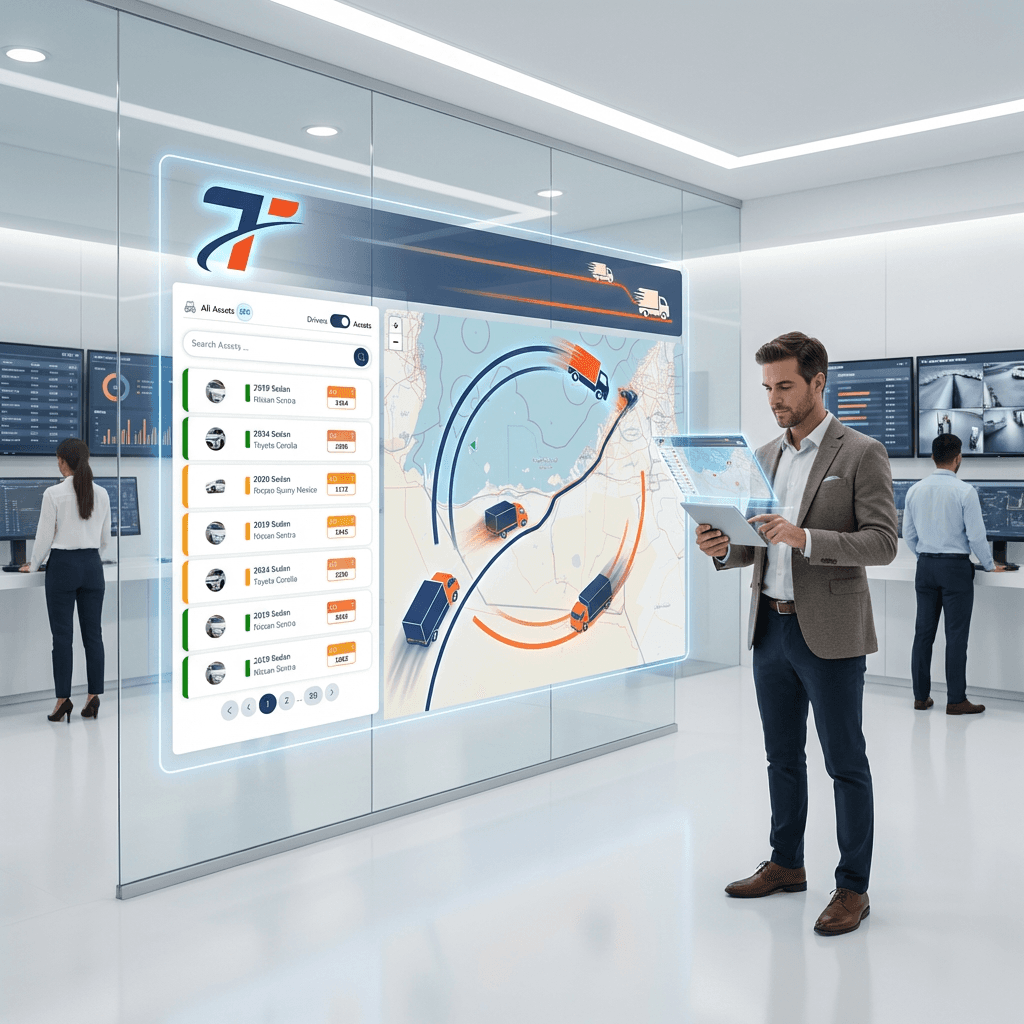
Fleet Mobility for Every Industry
From last-mile delivery to long-haul logistics and urban mobility — our platform adapts to your transportation and operational needs.
Logistics & Freight
End-to-end fleet visibility for trucking, freight forwarding, and cross-border logistics. Real-time ETA, proof of delivery, load optimization, and supply chain mobility integration.
Last-Mile & Urban Delivery
Optimize delivery routes for e-commerce, food delivery, and courier services. Smart dispatch, customer notifications, delivery slot management, and urban mobility optimization.
Car Rental & Shared Mobility
Track rental vehicles, monitor mileage, manage contracts, and automate returns. Integrates with shared mobility and car rental management platforms for connected fleet services.
Public Transport & Passenger Mobility
Route planning, schedule adherence, passenger counting, accessibility compliance, and real-time transit updates for bus fleets, employee shuttles, ride-sharing, and school transport.
Construction & Field Services
Track heavy equipment, manage maintenance for excavators and cranes, monitor job site arrivals, optimize equipment utilization, and coordinate mobile field workforce teams.
Emergency & Medical Transport
Priority routing, fastest-path calculations, response time tracking, real-time dispatch optimization, and patient transport mobility for ambulance, medical, and emergency fleets.
Questions About Fleet Management & Mobility?
Common questions about fleet management systems, GPS tracking, smart mobility, route optimization, and getting started with connected fleet solutions.
Ready to Transform Your Fleet Mobility?
Get a free fleet management consultation. See how GPS tracking, AI route optimization, and smart mobility can cut costs and boost efficiency — no obligations, no pressure.